Uncover why we repeat harmful behaviors and learn actionable strategies—like emotional regulation and self-awareness—to break cycles, improve relationships, and create lasting positive change.
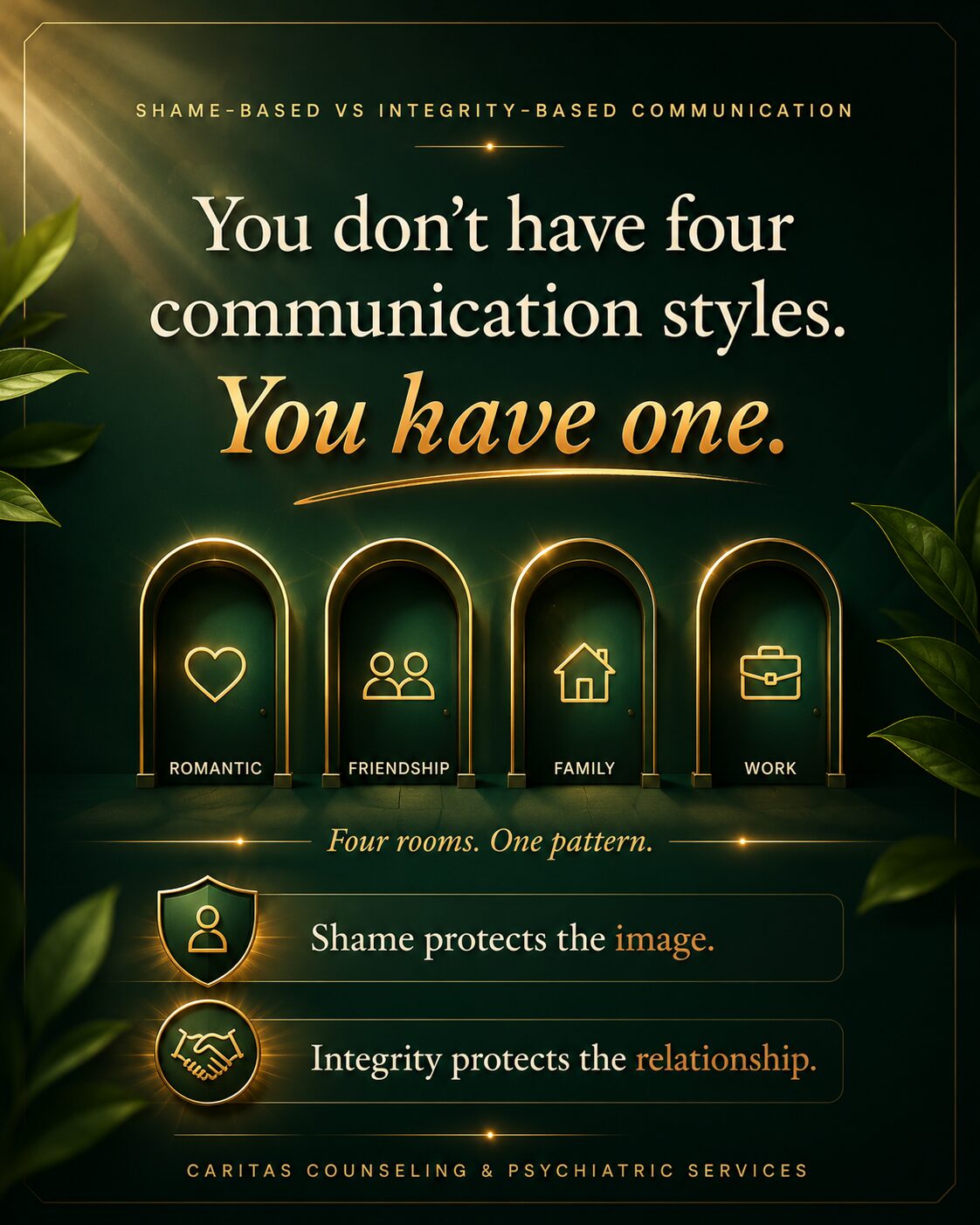
Do you ever find yourself stuck in a pattern of behavior that doesn’t serve you—something that makes you unhappy, yet you struggle to stop? This experience is surprisingly common. For many, behaviors like yelling in frustration, saying “yes” when we mean “no,” or avoiding accountability continue despite their negative effects over time. Why? These behaviors often meet an immediate need, even if the long-term consequences are harmful.
Let’s explore why we tend to repeat these patterns and how they impact us over time.
The Brain’s Role In Reinforcing Unhelpful Behaviors
At first glance, it may seem like a mystery why we continue behaviors that we know are problematic. However, the answer is simpler than it seems: these behaviors are often the brain’s way of protecting us in the moment. Let’s look at how this happens in everyday situations.
Example 1: Yelling To Feel Heard
Take the example of a father who’s trying to get his child to do something quickly, like getting ready for school. The child, however, is absorbed in play and resists. Frustrated, the father raises his voice, and the child complies. Here, yelling is reinforced as a short-term solution to resolve the father’s anxiety and frustration. Although it “works” in the moment, this pattern often leads to stress and communication issues in the long term.
Example 2: Overcommitting To Avoid Guilt
Consider a mother who’s already overextended. Her child asks for a favor, and even though she’s exhausted, she says “yes” to avoid feelings of guilt and to make her child happy. In that instant, saying “yes” relieves her guilt, reinforcing the behavior. However, over time, this habit may lead to resentment, burnout, and a pattern of neglecting her own needs.
Example 3: Avoiding Accountability To Reduce Discomfort
Now, think about a child who hasn’t done their homework. When a parent asks if it’s completed, the child says “yes” to avoid conflict. For the child, this response avoids uncomfortable discussions and keeps things calm in the short term, but over time, this avoidance pattern erodes trust between the child and parent.
Short-Term Relief Vs. Long-Term Consequences
In each example, the person is attempting to resolve uncomfortable emotions—like anxiety, frustration, or guilt—through a behavior that provides immediate relief. However, this short-term strategy often leads to issues down the road, including:
Trust and Communication: Frequent avoidance or dishonesty can damage trust in relationships, making open communication challenging.
Emotional Safety: Yelling, overcommitting, or avoiding accountability can undermine a sense of emotional safety for everyone involved.
Self-Care and Authenticity: Consistently putting others’ needs first or responding impulsively in frustration can detract from self-care and foster negative feelings toward oneself.
How To Break The Cycle And Build Positive Habits
Chronic behaviors that disrupt our ability to connect honestly and authentically often create a cycle of long-term dissatisfaction. But the good news is that understanding the “why” behind these patterns is the first step to changing them.
By practicing self-awareness and developing emotional regulation skills, we can learn to manage difficult emotions in healthier ways. For example, we can:
Pause Before Reacting: Taking a moment to reflect before responding can reduce impulsive actions.
Set Boundaries with Compassion: Learning to say “no” when necessary can improve self-care and prevent resentment.
Address Discomfort Head-On: Facing uncomfortable situations or emotions directly can help build trust and foster genuine communication.
Conclusion: Moving Toward Authentic, Positive Change
While our brains may encourage us to rely on certain behaviors for short-term relief, we have the ability to reshape these patterns. By understanding why we react the way we do, we can start choosing responses that align with our values and goals.
Breaking these cycles takes effort, but it’s an essential step toward a healthier, more fulfilling relationship with ourselves and others. By making these changes, we empower ourselves to engage more openly and authentically in our lives. And the mental health treatment industry does more harm than good at times, so understanding how to effectively empower yourself towards positive change can make all the difference from where you currently are, and where you want to be, in which you can check out our article on the mismanagement of the mental health industry to understand in greater detail: Why the Mental Health Treatment Industry Fails So Many.